Best Halal Eye Cream Picks: CeraVe Repair Leads

Seven eye creams lined up by published specifications, from a 0.5 oz ceramide tube to a 1.05 oz retinol jar. Which one suits congestion-prone lids, which one to avoid, and how to check halal status yourself before you buy.

By Frankie HopkinsUpdated 19 min read
On this page
- Best halal eye cream for acne prone skin at a glance
- What each price tier actually buys you
- Can you verify halal status from an Amazon listing?
- How I screened these seven listings
- Which actives suit congestion-prone lids?
- 1. CeraVe Eye Repair Cream — Best overall
- 2. CeraVe Vitamin C Eye Cream — Best for pros
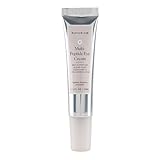
- 3. Naturium Multi-Peptide Eye Cream — Runner-up
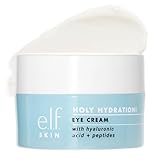
- 4. e.l.f. SKIN Holy Hydration! Eye Cream — Best for heavy use
- 5. Anua Retinol 0.1 Caffeine Revitalizing Eye Cream — Best for beginners
- 6. Eight Saints All In Eye Cream — Best premium
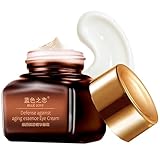
- 7. BLUE LOVE Eye Cream for Puffiness — Best budget pick
- How long does a 0.5 oz tube really last?
- What the listings do not tell you
- The verdict
- FAQ
The best halal eye cream for acne prone skin in this set is CeraVe Eye Repair Cream, a 0.5 oz tube built on three ceramides, hyaluronic acid and niacinamide with no fragrance in the pitch. If you'd rather have a brightening active in the same tube, CeraVe Vitamin C Eye Cream carries a stated 5% pure vitamin C. Price tiers here split cleanly into three groups. The entry tier buys you volume and simple hydration, the middle buys you barrier ingredients that are named and counted, and the top tier buys you stacked actives in one jar. None of the seven is certified halal on its listing, so read on for how to check that yourself.
Best halal eye cream for acne prone skin at a glance
| Pick | Size | Headline actives | Price |
|---|---|---|---|
Best overall CeraVe Eye Repair Cream |
0.5 oz | 3 ceramides, hyaluronic acid, niacinamide | Check Price |
Best for pros CeraVe Vitamin C Eye Cream |
0.5 fl oz | 5% vitamin C claim, caffeine, ceramides 1, 3, 6-II | Check Price |
Runner-up Naturium Multi-Peptide Eye Cream |
0.5 oz | Peptide blend, squalene, hyaluronic acid | Check Price |
Best for heavy use e.l.f. SKIN Holy Hydration! Eye Cream |
0.53 oz | Hyaluronic acid, peptides | Check Price |
Best for beginners Anua Retinol 0.1 Caffeine Revitalizing Eye Cream |
1.05 oz | 0.1% retinol claim, caffeine | Check Price |
Best premium Eight Saints All In Eye Cream |
0.5 oz | Peptides, vitamin C, caffeine, aloe, green tea | Check Price |
Best budget pick BLUE LOVE Eye Cream for Puffiness |
0.71 fl oz | Unnamed botanical blend | Check Price |




What each price tier actually buys you
Three tiers show up across these seven listings, and the pattern is clearer than you'd expect.
The cheapest group holds BLUE LOVE, e.l.f. and Naturium. Here you're buying volume and one or two familiar hydrators. BLUE LOVE gives you 0.71 fl oz, the second-largest container in the group, but its listing never names a single active by percentage. e.l.f. names hyaluronic acid and peptides in 0.53 oz. Naturium names a peptide blend, squalene and hyaluronic acid in 0.5 oz.
The middle holds just one product: CeraVe Eye Repair Cream. What the step up buys is specificity. Three ceramides, hyaluronic acid and niacinamide, all named, plus a stated ophthalmologist test and National Eczema Association acceptance.
The top tier holds CeraVe Vitamin C, Anua and Eight Saints. Money here buys quantified actives or a longer ingredient list. Anua claims 0.1% retinol in 1.05 oz, the largest size of the seven. CeraVe Vitamin C claims 5% pure vitamin C in packaging described as oxidation-resistant. Eight Saints claims six key ingredients in 0.5 oz, the smallest volume for the highest position in this set.
The lesson is simple. Paying more here buys named percentages, not more cream.
Can you verify halal status from an Amazon listing?
No, and this is the honest part of the answer. None of these seven listings carries a halal certification claim, a certifying body, or an ingredient statement complete enough to judge. Searching for the best halal eye cream for acne prone skin surfaces products that match on category and skin type, not on certification.
Here's what you actually have to do:
- Check the full INCI list on the product's own site or packaging, not the Amazon bullets. The bullets name only what the brand wants to highlight.
- Look for the ingredients that commonly raise questions. Glycerin, stearic acid, squalene, collagen and certain emulsifiers can be plant, synthetic or animal-derived. The name alone tells you nothing about the source.
- Treat vegan claims as a partial signal, not a substitute. Naturium's listing says vegan and cruelty free. e.l.f. says vegan and cruelty-free. Vegan removes the animal-derivative question but says nothing about alcohol content or processing.
- Email the brand and ask for the source of the glycerin and emulsifiers. Brands answer this more often than people expect.
- Check for a recognised certifier's mark, from a body you already trust, rather than the word "halal" printed unaccompanied.
Two of these picks make the vegan claim explicit. That narrows your checking work, but the certification question stays yours to close before you buy.
How I screened these seven listings
I worked from published specifications and manufacturer claims only, then compared them side by side.
Three things got weight. First, whether the actives are named and quantified. A percentage on the label is checkable; "premium quality ingredients" is not. Second, container size against how you'd realistically use the product, because twice daily around both eyes burns through a small tube fast. Third, whether the listing states any testing at all around the eye area, since the lid is thinner skin than the cheek and reacts differently.
What I cut: anything where the whole case rested on adjectives. That nearly removed BLUE LOVE, whose bullets promise natural ingredients without naming one. It stayed because it's the cheapest of the seven in the second-largest container, which is a real argument for a first purchase.
What I could not screen for, and won't pretend otherwise: whether any of these clogs pores, and whether any is certified. Neither claim appears in the data. Where a listing volunteers something relevant, like CeraVe Eye Repair's fragrance-free positioning and eczema association acceptance, I've said so and named the source.
Which actives suit congestion-prone lids?
The obvious move is to hunt for the word "non-comedogenic" and stop there. That's not what decides it around the eyes.
What decides it is texture and irritation risk. Congestion near the lash line and on the upper lid usually traces to a heavy occlusive layer or to something that irritates and triggers rubbing. Four of these seven describe themselves as lightweight, fast-absorbing and non-greasy: CeraVe Eye Repair, Anua, BLUE LOVE and Eight Saints. e.l.f. describes its formula as rich, which is the honest word for what it is, and rich is exactly what some people can't wear on the lid.
Named ingredients worth knowing:
- Niacinamide, in CeraVe Eye Repair, is a soothing agent by the brand's own description
- Ceramides, in both CeraVe picks, support the barrier rather than sit on top of it
- Caffeine, in CeraVe Vitamin C, Anua and Eight Saints, targets puffiness
- Retinol at a claimed 0.1%, in Anua only, is the one active here that can cause visible flaking
- Green tea and aloe, in Eight Saints, sit on the calming side of the ledger
If you're already using a face retinoid, adding Anua's 0.1% retinol claim on top is the fastest route to an irritated, peeling lid. That's the pitfall in the best halal eye cream for acne prone skin search that nobody warns you about.
1. CeraVe Eye Repair Cream — Best overall
A 0.5 oz tube naming three ceramides, hyaluronic acid and niacinamide, with an eye-area test claim behind it, is the most defensible pick of the seven.
Best for: anyone who reacts to fragrance and rich textures Skip it if: you want a brightening active in the same tube
This is the pick buyers here choose most often, and the specifications explain why. It weighs 15 g in a 0.5 oz tube measuring 4.74 x 1.8 x 1.5 in, so it's a slim thing to keep in a bathroom drawer. CeraVe says it contains three essential ceramides, hyaluronic acid to retain moisture and niacinamide to soothe. The brand also states it was developed with dermatologists, is ophthalmologist tested for the eye area, and is accepted by the National Eczema Association.
That last point matters more than it looks. Of the seven, only this one and CeraVe Vitamin C mention any testing specific to the eye area. The rest simply state the product is for all skin types.
The texture claim is lightweight and non-greasy, fast-absorbing, wearable under makeup. CeraVe recommends a pea-sized amount patted around the eye and brow bone morning and night. Released in 2014, it's the oldest formula in this group.
The trade-off is scope. It hydrates and soothes and does nothing else. There's no brightener, no caffeine, no peptide blend. Two of the picks below cost more and give you all three.
Pros:
- Three ceramides named on the listing
- Niacinamide and hyaluronic acid both stated
- Ophthalmologist tested for the eye area
- Accepted by the National Eczema Association
- The one buyers choose most often here
Cons:
- No brightening or firming active at all
- 0.5 oz is among the smaller containers here
- No halal certification stated anywhere on the listing
- Formula dates from 2014, unchanged in the listing
2. CeraVe Vitamin C Eye Cream — Best for pros
A stated 5% pure vitamin C plus caffeine and three named ceramides, in packaging the brand says resists oxidation.

Best for: someone already using acids who wants antioxidant support Skip it if: vitamin C stings your lids
This is the only pick in the set that pairs a quantified brightening active with named ceramides. CeraVe states 5% pure vitamin C for visible brightening and antioxidant benefit, caffeine to reduce puffiness and bags, and ceramides 1, 3 and 6-II alongside hyaluronic acid and what the brand calls MVE Technology. It's 0.5 fl oz, weighs 1.13 oz on the listing, and was released in 2024.
The packaging note is the detail worth reading twice. CeraVe says the packaging prevents oxidisation, which is the practical concern with any vitamin C product. An open jar turns a bright serum brown. The brand also states this one is allergy tested and suitable for contact lens wearers, which is a specific claim you rarely see spelled out.
It sits at the top price tier. Against the plain Eye Repair Cream above, you're paying more for the vitamin C and the caffeine.
The catch is that vitamin C on eyelid skin is not universally comfortable. It's the reason I've labelled this for people already running actives rather than for anyone starting out. If your lids flush after a face serum, start with pick one instead.
Pros:
- 5% pure vitamin C, quantified on the listing
- Caffeine included for puffiness
- Ceramides 1, 3 and 6-II named individually
- Oxidation-resistant packaging claimed
- Stated as suitable for contact lens wearers
Cons:
- Vitamin C can sting thin eyelid skin
- Priced in the top tier of this set
- Fewer published specifications than the Eye Repair tube
- No dimensions given, so drawer fit is unknown
3. Naturium Multi-Peptide Eye Cream — Runner-up
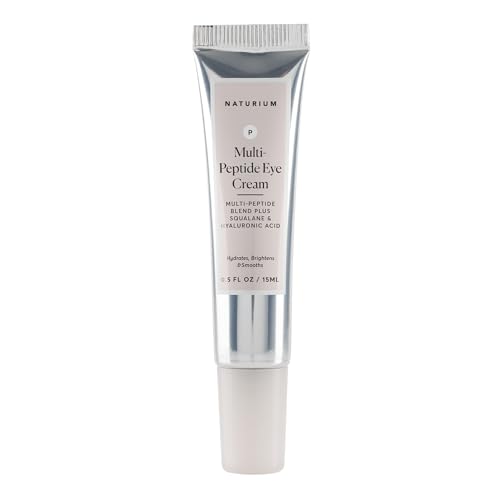
The flattest container of the seven, at 0.08 in deep, holding a peptide blend Naturium names down to the individual ingredient.
Best for: peptide fans who want the flattest jar in a travel bag Skip it if: you want ceramides named on the label
Naturium's listing does something the others mostly don't: it names a specific peptide. Argireline Amplified appears in the bullets, alongside a broader multi-peptide blend, squalene and hyaluronic acid. The brand says the blend hydrates, brightens and smooths the look of fine lines, and that it helps the appearance of dark circles.
The specification that stands out is physical. It measures 0.08 x 1.97 x 1.97 in, a wide flat disc rather than a tube, holding 0.5 oz at 14.2 g. Nothing else here packs that flat. If you travel with a small pouch, that's a genuine practical advantage over the 5.75 in Anua tube.
Naturium also states the product is pH appropriate, vegan, cruelty free, paraben free, gluten free and dermatologist tested. The vegan claim is useful groundwork if you're checking derivation, though it doesn't settle certification.
The trade-off against both CeraVe picks is barrier support. No ceramides are named, and nothing in the listing mentions testing around the eye area specifically. It's also the slowest-selling of the top three here, sitting well behind the CeraVe Eye Repair tube.
Pros:
- Argireline Amplified named specifically
- Flattest container here at 0.08 in deep
- Squalene and hyaluronic acid both listed
- Stated vegan, paraben free and cruelty free
Cons:
- No ceramides named in the formula
- No eye-area or ophthalmologist testing mentioned
- Wide flat lid means fingers go into the product
- Sells more slowly than either CeraVe pick here
4. e.l.f. SKIN Holy Hydration! Eye Cream — Best for heavy use
The cheapest pick that still names its actives, in a 0.53 oz pot you won't feel guilty about using twice a day.
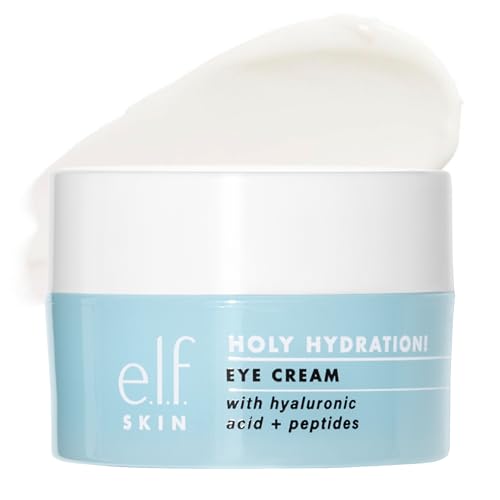
Best for: twice-daily application under makeup without rationing Skip it if: rich textures make your lids feel congested
The argument for this one is straightforward. It sits in the entry price tier as the second-cheapest of the seven, yet the listing names hyaluronic acid and peptides rather than falling back on vague botanical language. You get 0.53 oz at 14 g in a small pot measuring 1.73 x 0.87 x 1.73 in.
e.l.f. calls the formula rich, hydrating and non-greasy, and says it minimises dark circles, plumps skin and works well under makeup. The brand also states it's vegan and cruelty-free, and mentions supporting Water.org's Get Blue programme. Released in 2023, it's the second-newest formula in the set.
The reason it earns the heavy-use label is psychological as much as practical. An eye cream only works if you apply it consistently, and a cheap pot removes the temptation to ration a pea-sized dose down to a rice grain.
Now the honest caveat. e.l.f. describes this as a rich formula, and rich is precisely what some congestion-prone lids reject. If you've had milia or clogged lash lines before, the lightweight CeraVe or Anua textures are the safer bet. There's also no eye-area testing claim here.
Pros:
- Second-cheapest of the seven picks
- Hyaluronic acid and peptides both named
- Compact 1.73 in pot, easy to travel with
- Stated vegan and cruelty-free
- Recommended for wear under makeup
Cons:
- Brand's own word for the texture is "rich"
- No ophthalmologist or eye-area testing claim
- Open pot means finger contact with the product
- No ceramides or quantified actives listed
5. Anua Retinol 0.1 Caffeine Revitalizing Eye Cream — Best for beginners
The largest container here at 1.05 oz, and the only one with a stated retinol percentage.

Best for: a first cautious try at retinol around the eyes Skip it if: you already use a retinoid on your face
Anua puts the number in the product name, which I appreciate. The listing states 0.1% Retinol TM plus caffeine to reduce dark circles, puffiness and fine lines. At 1.05 oz it holds roughly twice the volume of the 0.5 oz picks, in a tube measuring 5.75 x 1.57 x 0.98 in.
Why call a retinol product beginner-friendly? Because 0.1% is a low starting concentration, and because Anua describes the formula as designed for sensitive skin, lightweight, fast-absorbing and non-greasy with no sticky residue. The brand's instruction is a small amount tapped in after cleansing and toning, morning and evening.
That twice-daily instruction is where I'd push back gently. Retinol around the eyes usually goes better at night only, at least until you know how your lids respond. Start at two or three nights a week.
The trade-offs are real. This is the only pick here that carries a meaningful irritation risk from its headline active, and if you're already running a face retinoid the doses stack. It also sits in the top price tier, and it's the longest container of the seven, which makes it the worst fit for a packed travel bag.
Pros:
- Largest volume in the set at 1.05 oz
- Retinol percentage stated at 0.1%
- Caffeine included for puffiness
- Described as designed for sensitive skin
Cons:
- Retinol can cause flaking on eyelid skin
- Stacks badly with an existing face retinoid
- Top price tier despite a short specification list
- 5.75 in tube is the longest here to pack
6. Eight Saints All In Eye Cream — Best premium
Six named key ingredients in one 0.5 oz jar, and the only pick here that states it's both fragrance free and cruelty free.

Best for: one tube covering peptides, vitamin C and caffeine Skip it if: you compare cost per ounce before anything else
Eight Saints stacks the longest named ingredient list in this comparison: aloe, protein peptides, MSM, hyaluronic acid, vitamin C and green tea. Caffeine handles dark circles and puffiness by the brand's account, and the powerful hydrators are credited with smoothing wrinkles. It's 0.5 oz, listed at 2.89 oz packaged weight, and made in Maine from globally sourced ingredients.
Two claims here are worth isolating. Fragrance free is stated outright, which puts it alongside CeraVe Eye Repair as one of the safer options for reactive lids. And the brand explicitly rejects the miracle-ingredient framing, which is a refreshing thing to read in an eye cream bullet.
The texture claim is lightweight, immediately absorbing, no greasy residue or shine. Suitable for all skin types, per the listing.
Here's the problem with it as a buy. It's the most expensive pick in this set and it holds 0.5 oz, tying for the smallest volume. Anua gives you 1.05 oz for less. The listing is also the thinnest on specifications of the seven, with no dimensions and no colour given, and nothing at all about eye-area testing. You're paying for the ingredient roster and taking the rest on trust.
Pros:
- Six key ingredients named individually
- Stated fragrance free and cruelty free
- Peptides, vitamin C and caffeine in one jar
- Green tea and aloe on the calming side
Cons:
- Most expensive pick in this comparison
- Ties for smallest volume at 0.5 oz
- Fewest published specifications of the seven
- No ophthalmologist or eye-area testing claim
- Sells more slowly than every pick above it
7. BLUE LOVE Eye Cream for Puffiness — Best budget pick
The cheapest of the seven, in a 0.71 fl oz jar that holds more than five of the others.

Best for: a low-stakes first eye cream in the largest jar here Skip it if: you want named, quantified actives
The numbers make the case, and nothing else does. BLUE LOVE is the cheapest of the seven and holds 0.71 fl oz, second only to Anua's 1.05 oz. The jar measures 1.85 x 1.69 x 1.65 in, a squat white pot that takes up almost no shelf space.
The brand promises quick absorption, no greasy residue, hydration for the delicate skin around the eyes, and reduced puffiness and dark circles. The formula is described as infused with nourishing natural ingredients and crafted with premium quality ingredients.
You'll notice what's missing. Not one ingredient is named anywhere in those bullets. No percentage, no peptide, no acid, no vitamin. Compare that to Anua putting 0.1% in the product title or CeraVe listing three ceramides by number, and the gap is stark.
So who should buy it? Someone who has never used an eye cream and wants to find out whether they'll actually apply one daily before committing real money. Volume plus the lowest price makes that experiment cheap. For anyone with reactive or congestion-prone lids, an unnamed formula is the wrong place to start, and this is also the slowest-selling pick of the seven.
Pros:
- Cheapest of the seven picks here
- 0.71 fl oz, second-largest volume in the set
- Compact 1.85 in jar footprint
- Claims fast absorption and no greasy residue
Cons:
- Not a single active ingredient named
- No weight, no testing claim, no vegan claim
- Slowest-selling pick in this comparison
- Open jar invites finger contact and contamination
How long does a 0.5 oz tube really last?
Five of these seven hold 0.5 oz or a whisker over. That's a small number, and it explains a lot about which of these is actually good value.
Work it through. A pea-sized dose per eye, twice a day, is four doses daily. CeraVe's own instruction is exactly that: morning and night, patted around the eye and brow bone. At that rate a 0.5 oz tube is a matter of weeks rather than months.
Now compare containers:
- Anua: 1.05 oz, the most cream of the seven
- BLUE LOVE: 0.71 fl oz, the second-largest
- e.l.f.: 0.53 oz, in a 1.73 in pot
- CeraVe Eye Repair, CeraVe Vitamin C, Naturium, Eight Saints: 0.5 oz each
Eight Saints is the sharpest illustration. It's the most expensive pick and it ties for the least cream. Anua sits in the same top tier and hands you twice the volume.
Two things change the maths. Night-only application halves your consumption, which is the sensible approach with Anua's retinol anyway. And tubes waste less than open jars, because you're not dragging a fingertip through the product. CeraVe Eye Repair and Anua both come in tubes. Naturium, e.l.f. and BLUE LOVE are pots.
What the listings do not tell you
Five gaps in this data are worth naming plainly, because a shopping guide that pretends otherwise is not much use.
Comedogenicity. Not one of these seven listings states whether the formula is non-comedogenic. That's the single most relevant fact for the modifier in this search, and it isn't published. You'd have to check each brand's own site or read the full ingredient list yourself.
Halal certification. Nobody claims it. Nobody names a certifying body. Two brands claim vegan status, which helps with animal derivatives but doesn't close the question.
Full ingredient lists. The bullets name highlights. Glycerin, emulsifiers and preservatives sit unmentioned, and those are often the ingredients that raise derivation questions.
Fragrance status. Only Eight Saints states fragrance free outright. For the other six you're inferring from silence, which is not the same as knowing.
Warranty and shelf life. No published warranty on any of the seven, and no period-after-opening figure. Released dates exist for four of them: CeraVe Eye Repair from 2014, Naturium from 2019, e.l.f. from 2023, CeraVe Vitamin C from 2024. That tells you formula age, not how long a jar lasts once opened.
The verdict
CeraVe Eye Repair Cream is the default I'd hand almost anyone shopping for the best halal eye cream for acne prone skin. It names three ceramides, hyaluronic acid and niacinamide in a 0.5 oz tube, it states ophthalmologist testing around the eye area and National Eczema Association acceptance, and its lightweight non-greasy texture is the profile least likely to sit heavily on a congested lid. It's also the pick buyers here choose most often by a wide margin, and it sits in the middle price tier rather than the top.
Two conditions flip that. If dark circles are your actual complaint and you already tolerate active ingredients, CeraVe Vitamin C Eye Cream is the better tube, because a stated 5% pure vitamin C plus caffeine addresses pigment and puffiness in a way plain ceramides never will. And if you want the most cream for your money with a real active behind it, Anua's 1.05 oz with a stated 0.1% retinol doubles the volume of every 0.5 oz pick here.
The runner-up's specific edge is packaging shape. Naturium's 0.08 in flat jar travels better than anything else in this set, and its Argireline Amplified callout is the most specific peptide named across all seven listings.
Whichever you pick, the certification check is still on you.
FAQ
Is a halal eye cream worth paying more for?
Whether a halal eye cream is worth more depends entirely on verification, not on the label. Nothing in this set carries certification, so price here reflects actives, not compliance. CeraVe Eye Repair sits in the middle tier and names more ingredients than the most expensive pick does. Pay for named, quantified actives and do the derivation check yourself.
How do I know if an eye cream is halal?
Knowing if an eye cream is halal takes three steps beyond the listing. Read the complete INCI list on the brand's own site. Identify ingredients with ambiguous sources, such as glycerin, stearic acid and certain emulsifiers. Then email the brand and ask directly about derivation. A vegan claim, like Naturium's and e.l.f.'s, narrows the question but does not answer it.
Can retinol eye cream irritate acne prone skin?
Retinol eye cream can absolutely irritate thin eyelid skin, and Anua's stated 0.1% is the only retinol in this comparison. Irritation leads to rubbing, and rubbing makes congestion worse. If you already use a retinoid on your face, skip it entirely. Otherwise start at two nights a week rather than the twice-daily schedule the listing suggests.
CeraVe Eye Repair or CeraVe Vitamin C: which should I buy?
Choosing between CeraVe Eye Repair and CeraVe Vitamin C comes down to your main complaint. Eye Repair is the gentler tube: three ceramides, niacinamide, no brightening active, middle price tier. Vitamin C adds a stated 5% pure vitamin C and caffeine at a higher price. Buy Eye Repair for reactive lids, Vitamin C for pigment and puffiness.
What is the biggest mistake when buying eye cream?
The biggest mistake when buying eye cream is choosing texture by richness rather than by how your lids behave. e.l.f. describes its formula as rich, which suits dry under-eyes and can congest others. Four picks here claim lightweight, fast-absorbing textures instead. Match the texture to your skin, then check the volume against how often you'll actually apply it.
Start with CeraVe Eye Repair Cream if you want one decision made for you. It's the least likely of the seven to cause a problem, its ingredient list is fully named rather than gestured at, and it's the only pick that pairs an eye-area testing claim with eczema association acceptance. Order it, then spend ten minutes on CeraVe's own ingredient page checking the glycerin and emulsifier sources against your own standard. That ten minutes is the part no product listing can do for you, and it's the part that actually settles the question you came here with.